
A malware attack, a failed software update, a hosting issue, or even an accidental click can leave your business website offline. The real question isn’t whether these problems happen—they do. The important question is: How quickly and completely can your website be restored?
Many small and medium-sized businesses assume someone else is taking care of backups.
- “My hosting company probably backs everything up.”
- “My website developer must have a copy.”
- “It won’t happen to my business.”
Unfortunately, these assumptions often surface only after something has gone wrong.
Whether you’ve invested in a custom website or WordPress website development, backups should be an essential part of your website maintenance strategy. As a trusted website development company in Dubai, we’ve seen businesses lose valuable data simply because they believed they were protected when they weren’t.
Here are three questions every business owner should ask.
1. Don’t Just Create Backups — Test Them
Having a backup isn’t the same as having a recovery plan.
A backup only becomes valuable if it can actually restore your website when you need it.
Ask your website provider:
- When was the last backup taken?
- Where is it stored?
- How long is it retained?
- Has the backup ever been tested?
- How long would it take to restore my website?
Many businesses discover too late that their backup files are incomplete, corrupted, or simply cannot be restored. A backup that has never been tested provides a false sense of security.
Think of it like business insurance—you hope you never need it, but if the day comes, you want to know it actually works.
2. Keep Multiple Backup Points
One backup is rarely enough.

Imagine a plugin update introduces a problem that isn’t noticed for several days. If your backup system only keeps yesterday’s copy, restoring it may simply bring the same issue back.
A good backup strategy includes:
- Automatic scheduled backups
- Multiple backup locations
- Several restore points from previous days or weeks
- Protection against accidental deletion or server failures
Keeping multiple versions allows your website to be restored to a point before the problem occurred.
For SMEs, website downtime doesn’t just affect the website—it can interrupt enquiries, online sales, customer confidence, and day-to-day business operations.
3. Include Everything — Not Just Website Files
This is where many backups fall short.
Business owners often assume a “full backup” includes every part of their website. In reality, that’s not always the case.
That contact form plugin? Its settings live in a separate table. Your SEO metadata? Stored who-knows-where. A “complete” backup often isn’t.
A reliable website backup should include:
- Website files
- Database
- Images and media
- Themes and plugins
- Plugin settings
- Website configurations
- SEO data and metadata
- Custom forms and important business information
Missing even one of these components can create hours—or even days—of additional work during recovery. Your website may come back online, but important functionality, enquiries, SEO settings, or customer information could still be missing.
That’s why it’s worth understanding exactly what your backup solution includes rather than assuming everything is covered.
A Quick Website Backup Health Check
You don’t need to be technical to verify whether your website is properly protected.
Simply ask your website provider:
- When was my last successful backup?
- Where are my backups stored?
- How many previous versions are available?
- Has the restore process been tested recently?
- If my website goes down today, how quickly can it be restored?
If you’re unsure of the answers, it’s worth having that conversation now—not during an emergency.
Your Website Is a Business Asset
Your website is much more than a collection of pages.
It represents your business every day and often stores years of work, including:
- Your brand identity
- Customer enquiries
- Product information
- SEO content
- Business data
- Marketing assets
Losing even part of this information can affect your operations, search engine rankings, and customer trust.
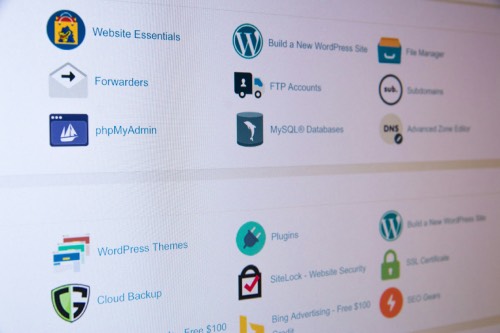
Regular backups, combined with ongoing website maintenance, are among the simplest and most cost-effective ways to reduce that risk.
At Activelink Web Design, we help businesses with website maintenance, security, and WordPress website development, ensuring websites remain reliable, secure, and ready to recover if the unexpected happens.
If you’re looking for a dependable website development company in Dubai or a website design company in Dubai, remember that building a website is only the first step. Protecting it throughout its lifetime is just as important.