
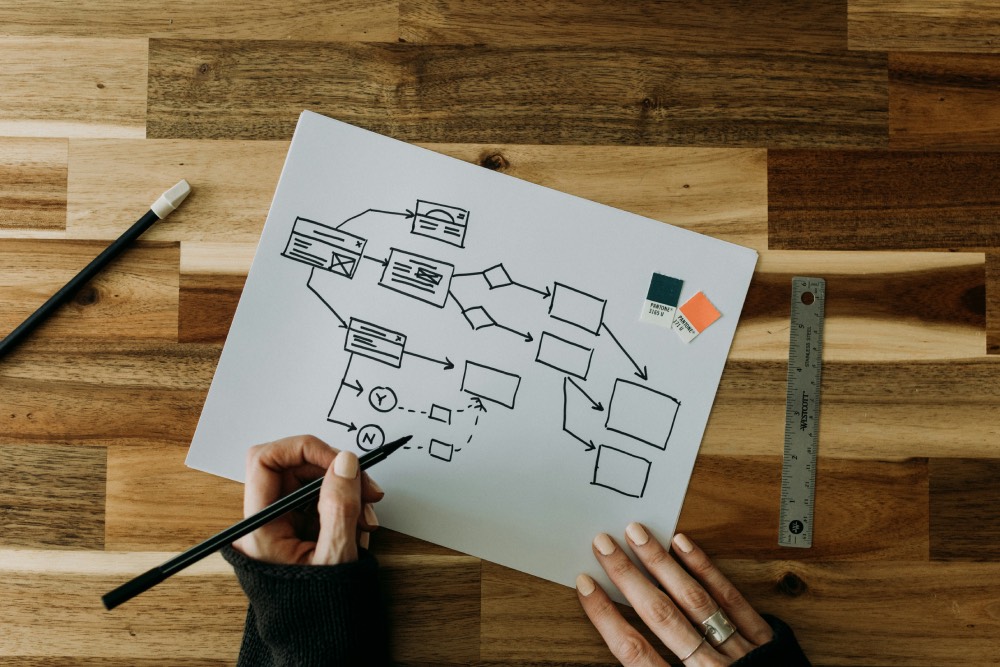
In today’s digital landscape, a website is far more than an online placeholder. It is often the first point of contact between your business and potential customers, shaping perceptions of your brand and credibility.
Whether you are a startup or an established enterprise, your site must attract visitors, generate leads, and support growth. Yet, many business owners mistakenly believe that web development begins with design and ends at launch. A high-performing website results from structured planning, close interactions with client, disciplined development, and rigorous testing. Without a solid foundation, projects face delays, budget overruns, and disappointing results. Understanding the development process is essential to avoiding costly mistakes. Here are the three critical phases that take a website from initial vision to successful launch.
Stage 1: Understanding Requirements and Planning
Every successful website starts with proper planning.
Before any design or development work begins, it is important to understand exactly what the business wants to achieve. This stage helps everyone involved gain clarity about the goals of the website and the needs of its users.
Some important questions need to be answered:
- What is the main purpose of the website?
- Who are the ideal customers?
- What information are visitors looking for?
- What action should visitors take on the website?
- Which products or services should be highlighted?
- What features are needed?
- How can the website support future business growth?
The clearer the answers, the smoother the entire project becomes.

This stage also involves gathering information from the client. Businesses typically provide company profiles, presentations, product details, images, logos, videos, brochures, and other relevant content. Many people underestimate how important this step is.
A website can only be as good as the information provided to build it.
Experienced website teams do much more than simply upload content. They carefully review the information, identify what matters most to customers, and decide how it should be presented. This process helps turn raw business information into a website that is easy to understand and useful for visitors.
Time and again, we have seen that the quality of preparation directly impacts the quality of the final website. When businesses provide clear and complete information from the beginning, projects move faster and deliver better results.
For example, a manufacturing company initially wanted a homepage filled with large images and visual elements. However, after discussions with the client and understanding their customers, it became clear that potential buyers were more interested in technical specifications, certifications, and quick quotation requests.
As a result, the website was planned around these priorities. The final website served customer needs far better than the original idea.
Good planning offers several benefits:
- Clear project direction
- Fewer revisions later
- Better communication between all parties
- Faster development
- Better user experience
- Controlled budgets and timelines
- Improved long-term performance
One of the biggest mistakes businesses make is starting a website project without clear goals. If there is no agreement on whether the website should generate leads, sell products, build brand awareness, or provide information, it becomes difficult to create a website that delivers meaningful business results.
Stage 2: Website Design and Development
Once the planning is complete, the next stage is building the website.
Many people think website design is only about making a website look attractive. While appearance is important, good design is about helping visitors find information quickly and take action easily.
A good website should:
- Reflect the brand’s identity
- Work well on mobile devices
- Be easy to navigate
- Present information clearly
- Encourage visitors to make enquiries or purchases
When visitors can easily find what they need, they are more likely to trust the business and take the next step.
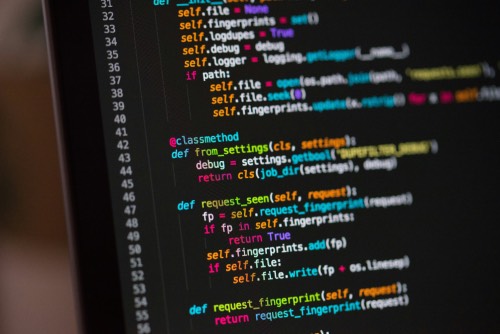
After the design is approved, the development team begins building the website. This includes creating the required pages, setting up forms, integrating third-party tools, connecting payment systems if needed, and ensuring the website is secure and reliable.
During this stage, developers must balance three important factors:
- Functionality
- Performance
- Future growth
Several common mistakes occur during website development.
The first is focusing too much on appearance and not enough on usability. A beautiful website is ineffective if visitors cannot find information or complete simple tasks.
The second mistake is ignoring mobile users. Today, a large percentage of website traffic comes from smartphones. If a website is difficult to use on mobile devices, visitors often leave quickly.
The third mistake is failing to plan for future growth. Many businesses build websites based only on their current needs. Later, when they add new products, services, locations, or languages, the website struggles to adapt. This often leads to expensive upgrades or complete redesigns.
Consider an online furniture store. Initially, the business wanted a clean and simple website focused mainly on product images. However, the development team recognized that customers would benefit from additional tools such as product customization options, delivery cost estimates, and a smooth checkout process.
By focusing on functionality as well as design, the website made it easier for customers to make purchasing decisions and complete orders successfully.
Stage 3: Testing, Launch, and Continuous Improvement
Before publishing the website, thorough testing is essential. Every page, form, button, and feature should be checked carefully.
A professional testing process typically includes:
- Mobile device testing
- Browser compatibility testing
- Form testing
- Navigation checks
- Page speed testing
- Security reviews
- Content verification
- Overall user experience evaluation
Skipping this stage can create serious problems. Visitors may encounter broken forms, missing information, or technical issues that damage trust and cause potential customers to leave.
Search engine readiness is also important before launch. A website should be properly prepared so search engines can understand its content and display it in search results. This includes organizing content correctly, optimizing page titles, improving loading speed, and ensuring pages can be indexed properly.
For example, a healthcare clinic was preparing to launch a website with online appointment booking. During testing, the development team discovered issues with the booking forms and security settings. Because these problems were fixed before launch, patients enjoyed a smooth experience from day one, leading to a steady increase in online appointments.
After launch, ongoing improvements become essential.

Successful websites are never truly finished.
Businesses should regularly:
- Update content
- Monitor website performance
- Improve search engine visibility
- Install security updates
- Review visitor behaviour
- Optimize enquiry and sales processes
Companies that continuously improve their websites often achieve better results than those that treat their websites as one-time projects.
Choosing the Right Website Development Partner
The success of a website depends not only on technology but also on the people building it.
When selecting a website development company, look for a team that takes time to understand your business goals, follows a clear process, communicates regularly, and focuses on long-term results rather than quick fixes.
The right partner should guide you through planning, development, testing, launch, and ongoing improvements.

For businesses in the UAE, working with a company experienced in website development in Dubai can offer additional advantages such as local market knowledge, understanding of regional customer behaviour, multilingual capabilities, and easier communication.
At the end of the day, successful websites are not built through design and coding alone. They are built through careful planning, strong collaboration, and continuous improvement. When these three stages are handled properly, a website becomes far more than an online presence—it becomes a valuable business asset that supports growth for years to come.


